Renewable energy has grown rapidly over the past decade, with solar power now a common feature across commercial buildings, industrial estates and public sector sites across the UK. Yet despite this progress, a number of persistent myths still prevent organisations and households from fully embracing renewable energy.
In reality, modern solar technology is proven, reliable and increasingly cost-effective. By understanding the facts behind the most common misconceptions, businesses can make more informed decisions about their energy strategies and sustainability goals.
Here are four of the most common solar energy myths, and the reality behind them.
Myth 1: Solar Doesn’t Work in the UK
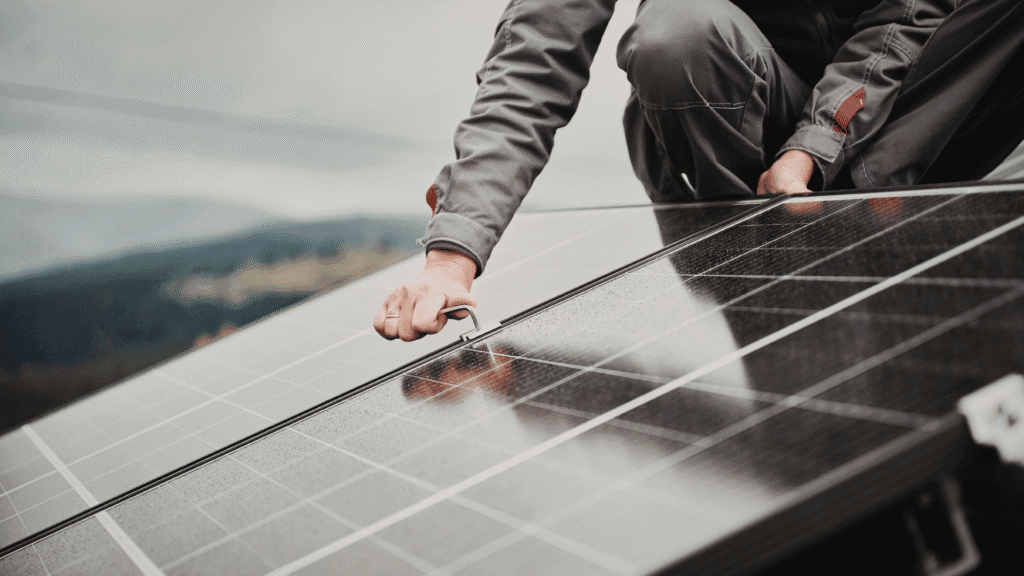
One of the most common misconceptions is that the UK’s cloudy weather makes solar energy ineffective. While the UK may not have the same levels of sunshine as southern Europe, solar panels do not rely on heat to generate electricity. They generate power from daylight, meaning they can still perform effectively in cooler or overcast conditions.
Modern photovoltaic (PV) panels are designed to capture both direct and diffuse sunlight. This means that even on cloudy days, they continue to generate electricity. In fact, countries such as Germany, with a similar climate to the UK, are among the world leaders in solar energy generation.
Across the UK, thousands of commercial solar installations are delivering reliable energy generation year-round, helping organisations reduce reliance on the grid and lower energy costs.
Myth 2: Renewable Energy Is Too Expensive
Another outdated belief is that solar and renewable energy systems are too costly to implement. While this may have been true in the early days of solar technology, the cost of solar panels has fallen dramatically over the past decade.
For many organisations today, solar power is one of the most cost-effective ways to reduce both energy bills and carbon emissions. With electricity prices continuing to fluctuate, generating energy on-site can provide valuable long-term cost stability.
In many cases, commercial solar installations can deliver a strong return on investment, particularly when supported by energy optimisation strategies, performance monitoring and effective operations and maintenance.
Rather than being a costly environmental initiative, solar energy is increasingly viewed as a strategic financial investment.
Myth 3: Solar Panels Don’t Last
Some organisations worry that solar panels may degrade quickly or require frequent replacement. In reality, modern solar panels are designed for long-term durability, typically with performance warranties of 25 years or more.
While some gradual performance degradation occurs over time, the rate is usually minimal. Many panels continue to generate electricity well beyond their warranty period, maintaining strong performance across decades of operation.
Regular maintenance, performance monitoring and system optimisation can help ensure solar assets continue operating at peak efficiency throughout their lifespan.
Myth 4: Renewable Energy Is Unreliable
Reliability is another concern sometimes raised about renewable energy. Because solar generation depends on daylight, some assume it cannot provide consistent or predictable energy output.
However, modern energy systems are far more advanced than early renewable installations. Smart monitoring systems, battery storage and flexible energy management strategies allow organisations to balance generation, storage and consumption effectively.
Real-time monitoring also allows businesses to track performance, identify potential issues early and ensure solar systems are delivering the expected generation output.
When integrated into a well-designed energy strategy, solar power can contribute to a resilient, stable and predictable energy supply.
Renewable Energy Is Now a Proven Solution
The reality is that renewable energy is no longer an emerging technology. Solar power is already delivering measurable environmental and commercial benefits for organisations across the UK.
Businesses that adopt solar energy can benefit from:
- Reduced energy costs
- Lower carbon emissions
- Greater energy independence
- Improved sustainability credentials
- Long-term operational resilience
As energy costs rise and sustainability expectations increase, renewable energy is becoming an essential part of modern energy management strategies.
Making the Most of Solar Energy
Installing solar panels is only the first step. To maximise the value of solar assets, organisations need clear visibility of performance, proactive maintenance and data-led optimisation.
By combining strong system design, monitoring and ongoing performance management, businesses can ensure their solar systems deliver the generation, savings and carbon reductions they expect.
Renewable energy myths are gradually disappearing as more organisations experience the real-world benefits of solar power.
The question is no longer whether renewable energy work, but how organisations can make the most of it.
Find out how TEST Consulting can help your organisation maximise solar performance, reduce energy costs, and achieve measurable carbon reductions.
Get in touch with our expert team today:
Tel: 0113 467 7650
Related Articles
Looking for more insights? Check out these related posts that delve deeper into similar topics.